The National AIDS & Health Promotion Agency (NAHPA) works hand in hand with communities and civil society organizations to strengthen the fight against HIV and non-communicable diseases (NCDs).
Although Botswana has been recognized as a shining example, surpassing the UNAIDS target of 95-95-95 by achieving 95-98-97 among adults (ages 15-64), it is important to note that reaching 100% remains a challenge. This is due to the disparities that exist in accessing services for key populations, including persons with disabilities, sex workers, men who have sex with other men, and persons who inject drugs. Various barriers contribute to these challenges, including but not limited to:
1. Environmental Barriers: Persons with disabilities often face obstacles in accessing facilities due to a lack of enabling structural amenities, such as ramps and handrails.
2. Assistive Devices: Health facilities are currently overwhelmed and unable to meet the demand for assistive devices, such as wheelchairs and crutches. This shortage leaves many persons with disabilities immobile, resulting in infrequent use of health services.
3. Stigma and Discrimination: Stigma and discrimination by health professionals further exacerbate the challenges faced by these populations.
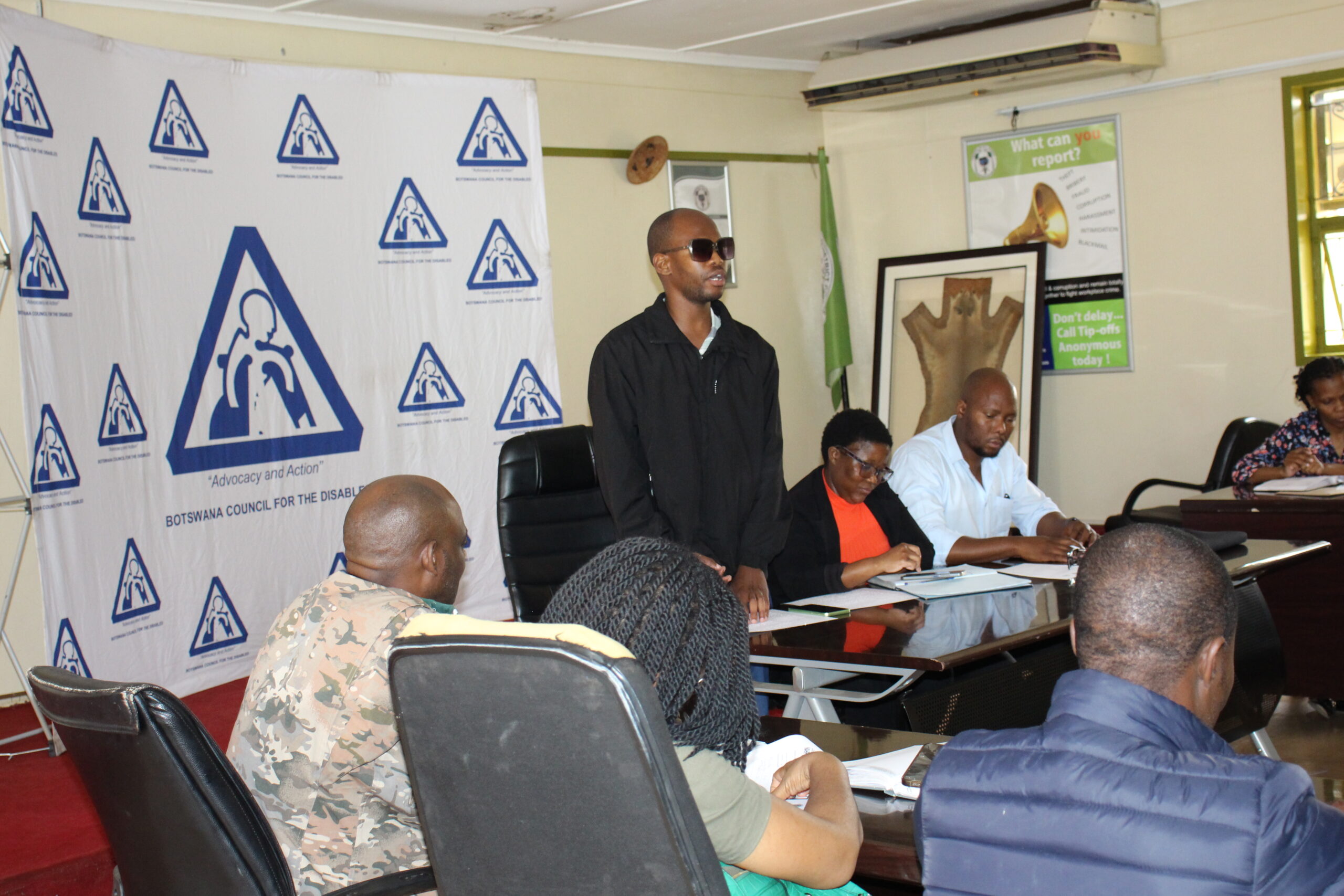
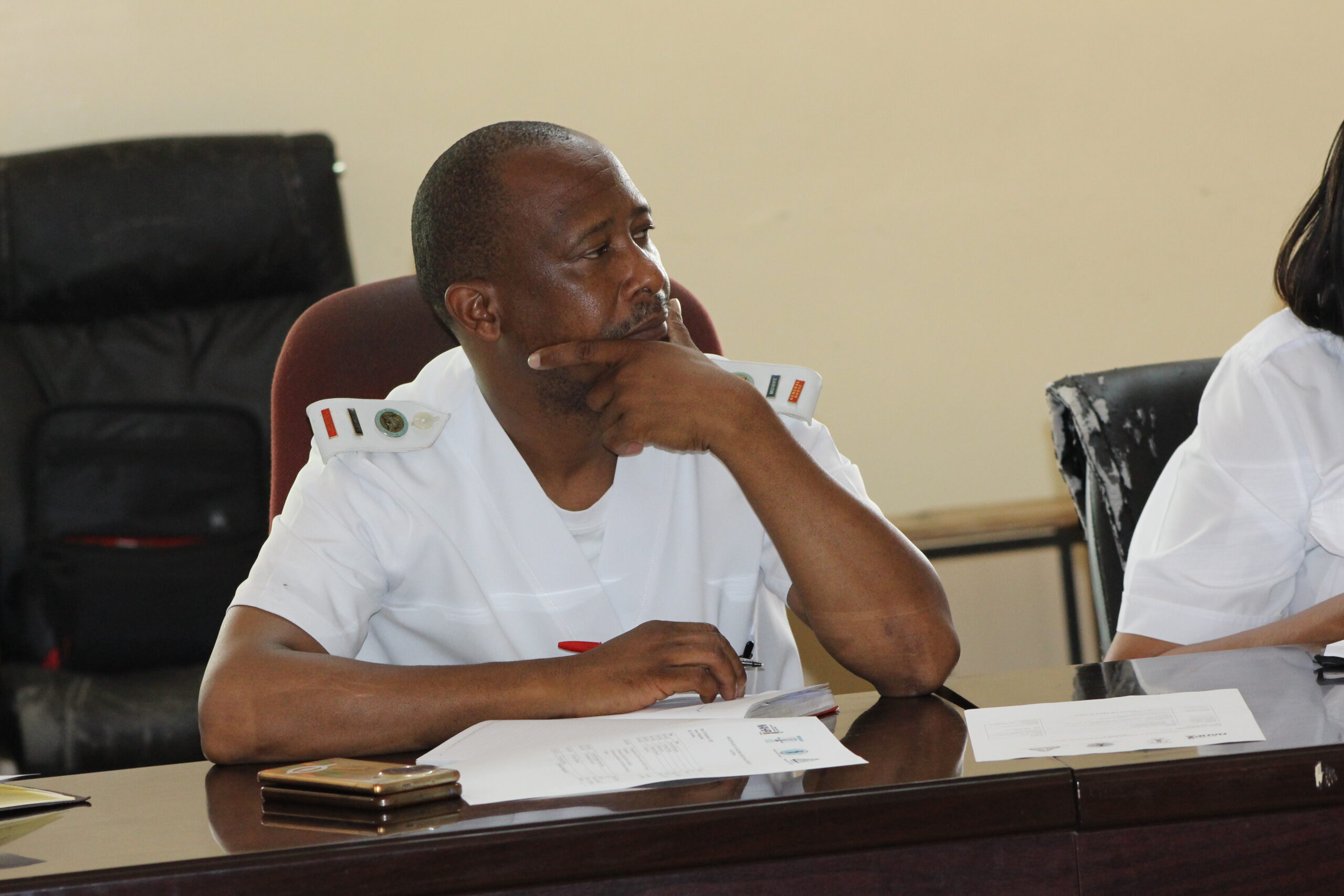
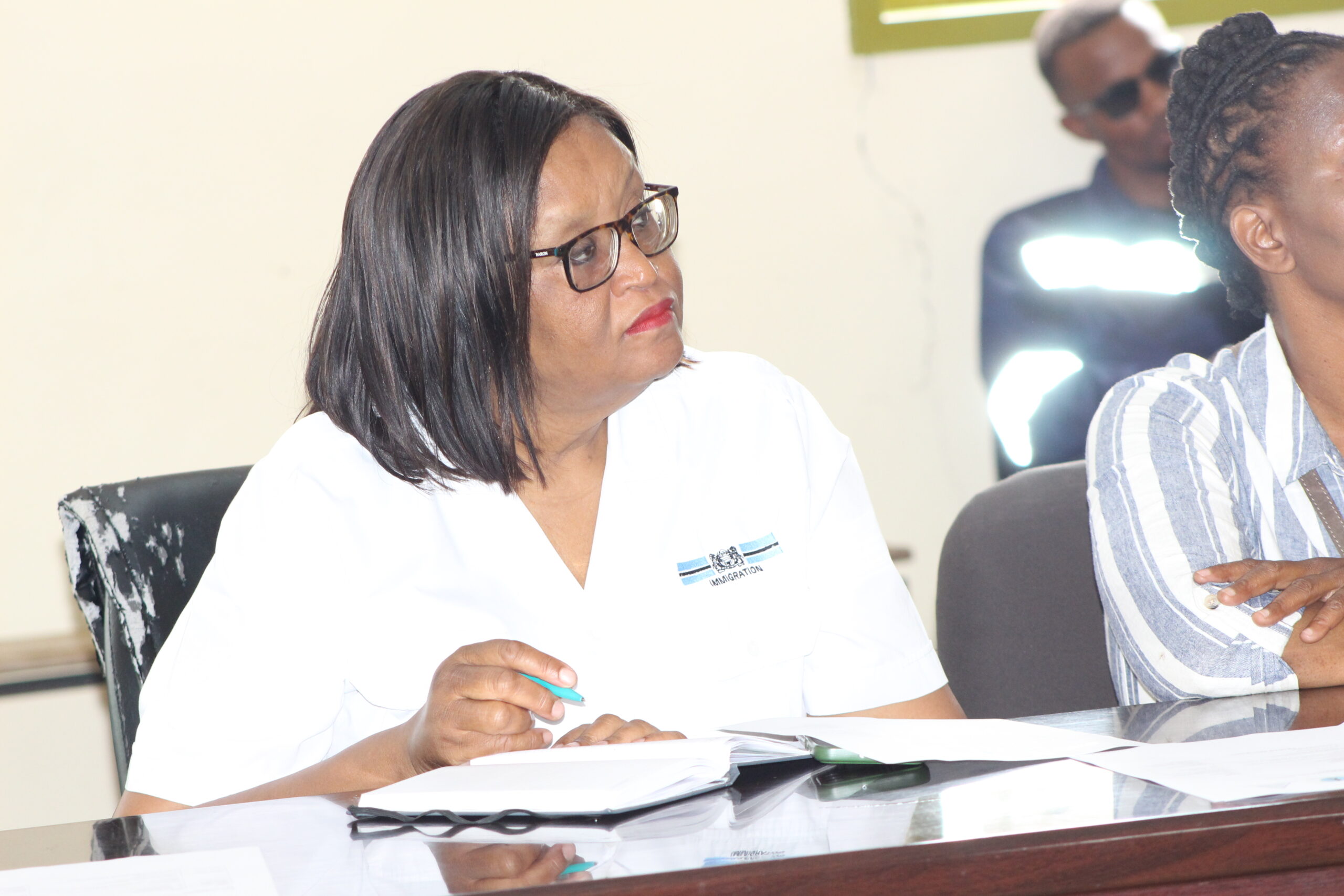
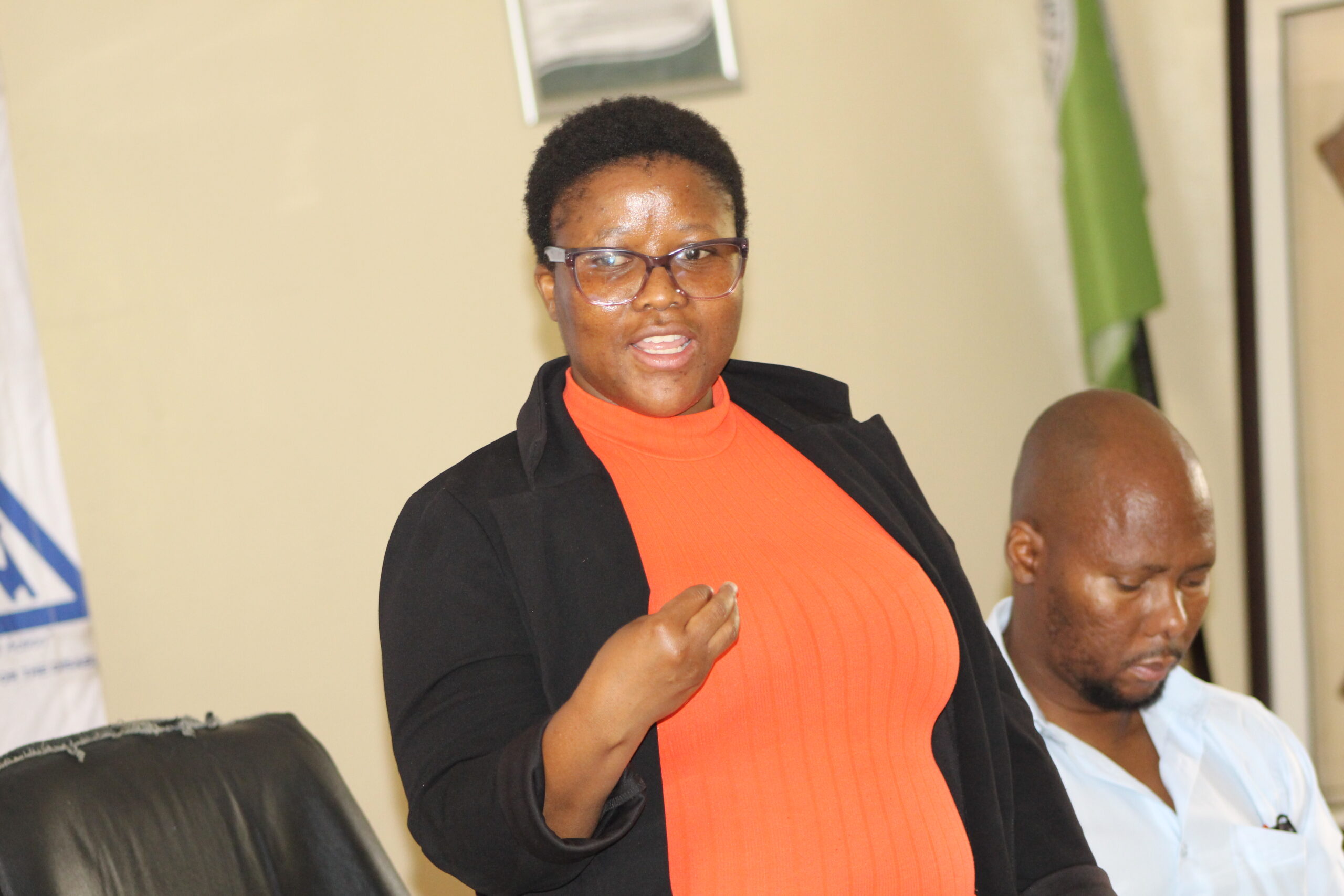
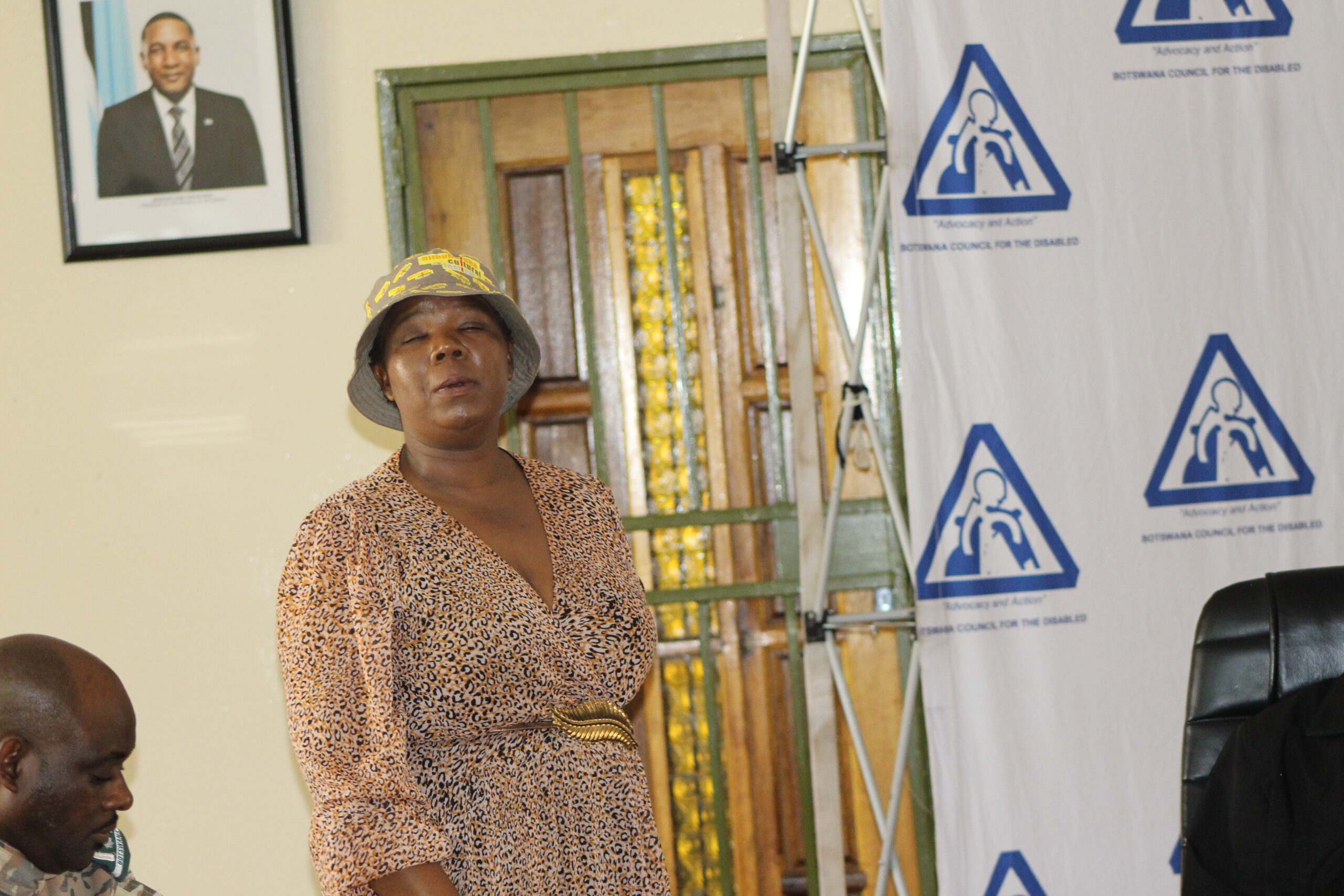
In an effort to promote access to HIV, NCDs, gender-based violence (GBV), and human rights for persons with disabilities, the Botswana Council for the Disabled, in collaboration with the Botswana Association of the Blind and Partially Sighted, recently conducted the second of six stakeholder engagement meetings in Molepolole. This initiative aims to pave the way for the implementation of a project focused on delivering services directly to persons with disabilities in Molepolole.